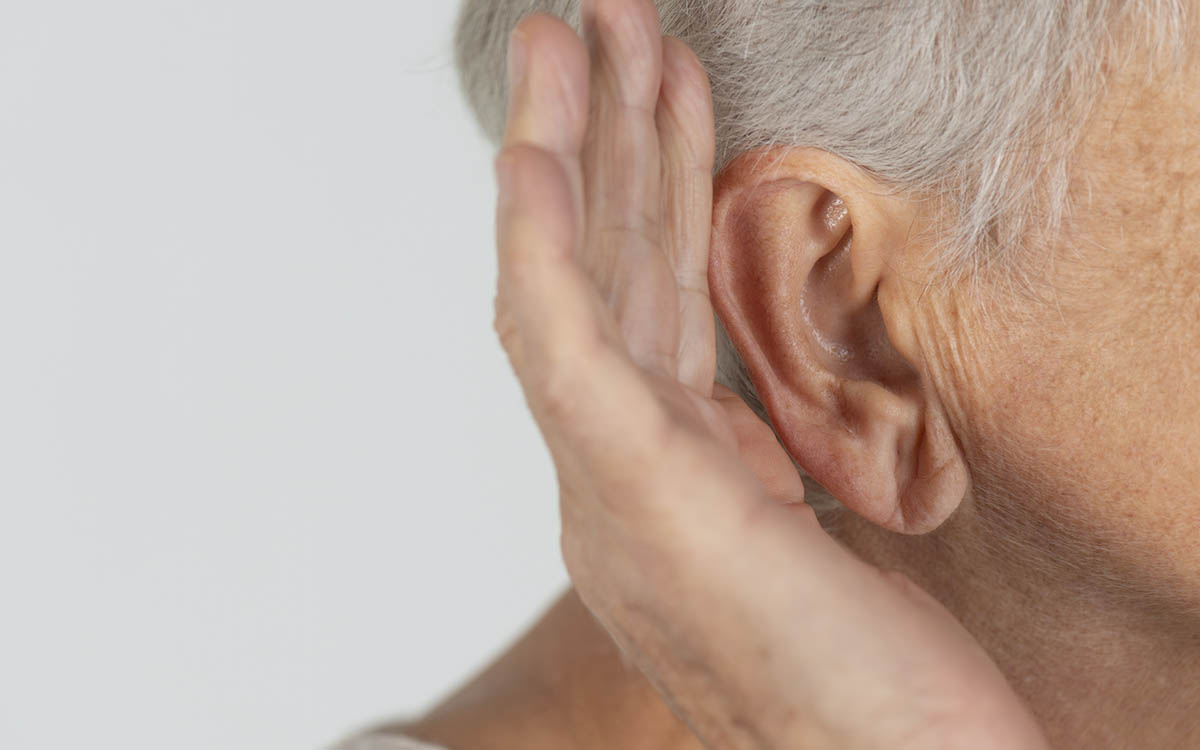
Commonly, clinicians link hearing loss to senescence, yet for a vast number of citizens, ear injury manifests significantly sooner. Noise-induced hearing loss represents a common, preventable auditory pathology, remaining undetected until the damage is irreversible.
Comprehensive knowledge of how chronic noise exposure affects the ears is essential for implementing safeguards prior to the onset of clinical hearing loss.
The Clinical Mechanisms of Sound-Induced Ear Damage
This form of hearing loss is precipitated by excessive acoustic energy damaging the fragile internal structures of the auditory system. Data from the CDC indicate that, sounds above 85 decibels (roughly the volume of heavy traffic) can begin to cause hearing damage with repeated or prolonged exposure. Louder sounds, like those from concerts, power tools, or firearms, can cause damage in minutes or even seconds.
The inner ear contains microscopic sensory receptors known as hair cells. These cells convert sound vibrations into electrical signals that your brain interprets as sound. Following injury, these hair cells lack the biological capacity to regenerate, which renders noise-related hearing loss an irreversible condition.
How Hearing Damage Builds Over Time
One of the most concerning aspects of noise-induced hearing loss is that it often develops slowly. Early exposure may cause symptoms like:
- Temporary ringing or buzzing in the ears (Tinnitus)
- Post-exposure auditory dullness or perceived muffling of sound
- Challenges involving speech comprehension within high-noise settings
The cessation of these early symptoms often leads to the false perception that the auditory system has fully healed. In reality, repeated noise exposure continues to injure inner-ear structures, slowly reducing hearing clarity and sensitivity over time.
The Hearing Loss Association of America reports that approximately 48 million Americans experience some degree of hearing loss, often without realizing the cause.
Daily Acoustic Sources That Can Cause Hearing Damage
The prevalence of loud sounds in daily life often results in a dangerous desensitization to harmful noise levels. As a result, many individuals remain unaware of the clinical prevalence of damaging noise exposure.
Identified hazardous sources may include:
- Live music venues and concerts
- Personal audio devices utilized at excessive decibel levels
- Gas-powered lawn tools, industrial machinery, and motorcycles
- Industrial workplace environments such as warehouses and construction sites
Due to the routine nature of these sounds, auditory injury may accrue in the absence of overt symptoms.
Implementing Prevention in Clinical Hearing Management
In contrast to certain medical conditions, noise-induced hearing loss is characterized by its permanent nature. The condition is, however, susceptible to effective preventative strategies. Adopting straightforward preventative behaviors can markedly decrease the likelihood of injury, including:
- The application of earplugs or attenuation earmuffs in loud areas
- Limiting headphone decibels and implementing the 60/60 rule for safe listening
- Implementing quiet intervals to permit the auditory system to rest
- Maintaining regular clinical screenings and Audiology visits
Clinical Indicators for Seeking Audiology Services
If you notice persistent ear ringing, difficulty following conversations, or changes in hearing clarity, you should seek evaluation from a hearing professional. Prompt clinical evaluation is vital for tracking auditory status and formulating effective hearing preservation plans.
Implementing protective measures today safeguards your auditory capacity for the years ahead. Environmental sound may be constant, but the development of hearing loss is not inevitable. Contact us to coordinate a comprehensive evaluation and ensure your auditory system is functioning at its peak.
