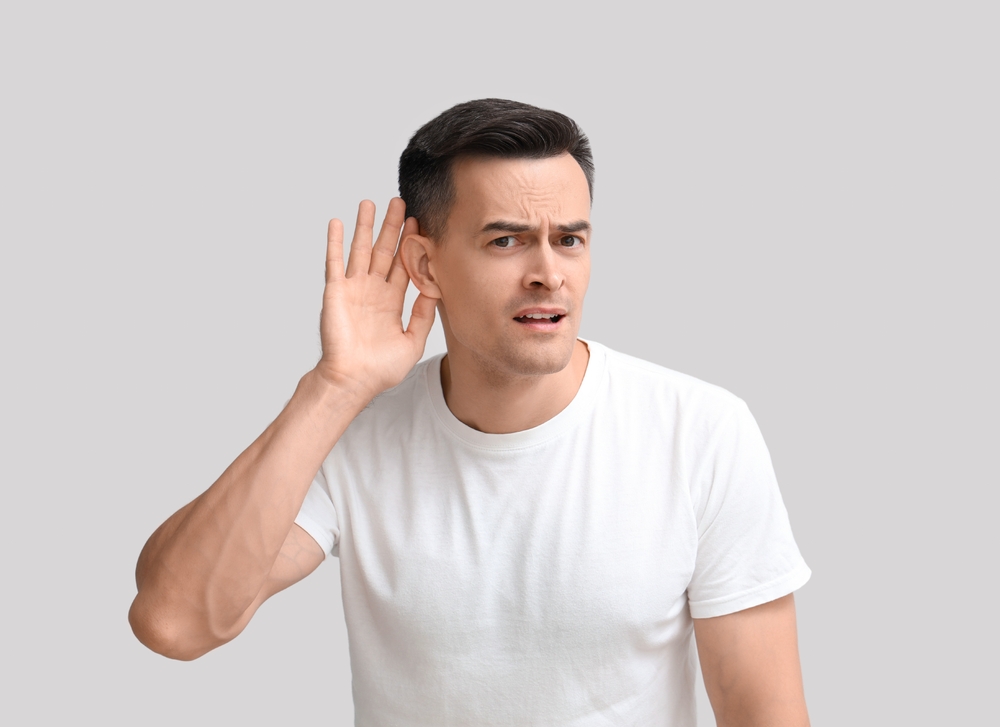
Have you noticed a distinct sense of exhaustion after participating in lengthy verbal interactions?
You might initially blame your exhaustion on general tiredness or a busy lifestyle. And it’s true that for introverts or people with sensory issues, social situations can be exhausting. But in some cases, the cause is a lesser-known culprit: auditory fatigue.
Essentially, auditory fatigue is the result of the brain over-functioning to compensate for poor sound quality. When sound clarity is compromised, the brain allocates vast cognitive resources to deciphering muffled or distorted phonemes. This persistent neurological demand inevitably results in deep mental and emotional burnout.
Many people mistake auditory fatigue for ordinary tiredness. Critically, this exhaustion is often a primary indicator of underlying auditory pathologies. A professional diagnostic evaluation is necessary to confirm if hearing loss is the root cause of your exhaustion. Should these symptoms persist, it is vital to discuss the possibility of hearing loss with a healthcare professional.
Why Your Brain Suffers from Auditory Fatigue
The risk of developing auditory fatigue is increased by several physiological and environmental factors.
The Hidden Cost of Ignoring Hearing Loss
Unmanaged hearing loss stands as a primary catalyst for chronic listening exhaustion.
If the peripheral auditory system fails to deliver clear data, the brain must use context clues to guess the missing information. This constant guesswork increases listening effort, which can quickly lead to mental exhaustion during conversations.
Auditory Fatigue in Social Settings
Acoustically complex settings serve to intensify the demand on the brain’s filtering systems. Restaurants, meetings, family gatherings, and social events often include background noise competing with speech.
When multiple sounds occur at once, the brain must filter through them to identify the important information. This process can create cognitive overload, especially for people with hearing loss (even mild cases).
How Internal Noise Increases Listening Effort
The presence of tinnitus creates a dual-processing burden, forcing the brain to manage both phantom internal signals and legitimate external sound.
Degraded signal quality resulting from hearing loss forces the auditory cortex into an inefficient processing loop.
Identifying the Symptoms of Listening Exhaustion
This type of fatigue often degrades both your ability to concentrate and your general vitality. Typical red flags for this condition include:
- Profound mental burnout after speaking with others
- Difficulty concentrating during meetings or group discussions
- Onset of tension headaches following sustained auditory focus
- A sense of agitation triggered by difficult listening conditions
- Withdrawing from conversations or social events
- Needing a nap or quiet time after social interaction
Frequent presentation of these symptoms is a clear sign of neurological auditory over-exertion.
The Cognitive Cost of Auditory Decline
When hearing is clear, the brain can process speech almost effortlessly. Conversely, hearing loss forces the brain to redirect energy from other executive functions to assist in sound decoding.
Researchers describe this as increased cognitive load. This energy shift often leaves the patient struggling with recall and attention while they try to listen. The long-term effect of this cognitive shift is the profound “emptiness” felt after socializing. Under these conditions, even brief interactions demand an unnatural level of mental focus.
How a Hearing Test Can Identify the Problem
If auditory fatigue is affecting your daily life, a professional hearing evaluation can help identify the cause. The evaluation process includes mapping your hearing range and measuring your speech discrimination accuracy. Testing your hearing in a noisy context is vital for identifying the true drivers of your social exhaustion.
The data from your exam will determine if your fatigue is rooted in a physiological hearing deficit. By catching these changes in their infancy, you can implement solutions before they damage your social and professional life.
How Modern Technology Lowers Cognitive Load
Treating hearing loss can significantly minimize listening fatigue.
Current digital technology restores the signal-to-noise ratio, providing the brain with a cleaner audio feed. The brain can finally rest, receiving data that is easy to interpret and understand.
With restored hearing clarity, you will likely see a boost in:
- Mental energy throughout the day
- Focus during conversations
- Comfort in social settings
Lowering the cognitive cost of communication allows social life to feel effortless once more.
Is it Time for a Professional Hearing Check?
Consider booking a hearing test if any of the following rings true:
- Socializing feels like a high-intensity mental workout
- Others comment on your need for frequent repetition during social calls
- You find yourself “guessing” at words in loud settings
- You have begun declining invitations because you are tired of the effort to hear
Resolving these issues today ensures a higher standard of living and better cognitive health for the future.
FAQs About Auditory Fatigue
Auditory Fatigue vs. Hearing Loss: What’s the Difference?
No—fatigue is the “symptom” (burnout), whereas loss is often the “cause” (the impairment). While they are different, hearing loss is the direct driver of most fatigue cases.
Do Hearing Aids Help with Exhaustion?
Absolutely; by cleaning up the acoustic signal, modern devices take the processing load off the brain.
Is This Exhaustion a Permanent Condition?
Most patients find that their energy returns once the listening “gap” is closed with technology.
Stop Feeling Drained After Conversations
Socializing should replenish you, not leave you feeling drained. If you are suffering from chronic post-social burnout, your auditory system is likely over-exerting itself.
Schedule your hearing test today by contacting us today. Total peace of mind is only possible when you understand the physiological roots of your fatigue.
