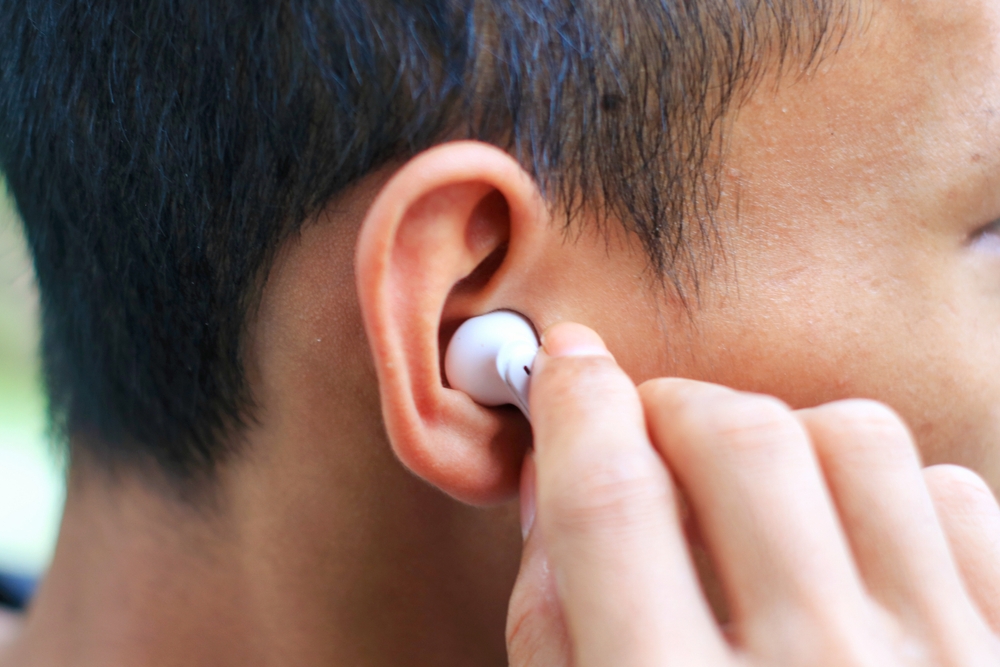
In modern public spaces, the sight of a young person without some form of in-ear audio is rare. Though over-ear headphones are more bulky, the younger demographic still relies on them for environmental isolation. Musical enjoyment knows no age limit, though the younger generation has integrated it more deeply into their daily transitions. This leads to the clinical question: can the proximity of these devices to the ear canal trigger permanent auditory damage? Clinically speaking, the hardware is not the culprit; rather, the risk lies in human behavior and exposure levels.
When Healthy Listening Becomes Hazardous
The right music can induce a state of relaxation, provide spiritual comfort, or drastically boost energy levels. Depends on the music. Personal audio tech provides a convenient way to consume media without infringing on the silence of those nearby. That’s a positive thing, and most people will tell you that they are grateful and prefer that on a train or bus.
The primary clinical concerns center on the precise limits of sound pressure and the length of the listening session. The truth is, loud noise in general is damaging to your ears and your hearing. If you maintain a high volume for a long period, you risk destroying the hair cells in your inner ear. Since hearing shifts occur incrementally, the window for prevention has often closed by the time a patient seeks help.
The Key Dangers of Headphones and Earbuds
High volume stands as the most significant threat to the preservation of hearing sensitivity. Yet, we must remember that the length of time spent listening is equally important as the decibel level.
- According to the NIH, maintaining a threshold below 70 dB ensures safety, even during extended listening periods.
- There is a direct correlation between increased sound pressure and the speed of hearing degradation.
- To protect your ears, utilize the 60/60 guideline: never exceed 60% power and rest after 60 minutes of use.
- You can safeguard your auditory health by reducing device intensity and monitoring your cumulative daily usage.
Red Flags: When to Suspect Hearing Impairment
If you notice muffled speech, struggle with background noise, experience **tinnitus**, or constantly require others to speak up, a professional evaluation is necessary.
Schedule an appointment with our specialists if you believe your auditory health has been compromised.
