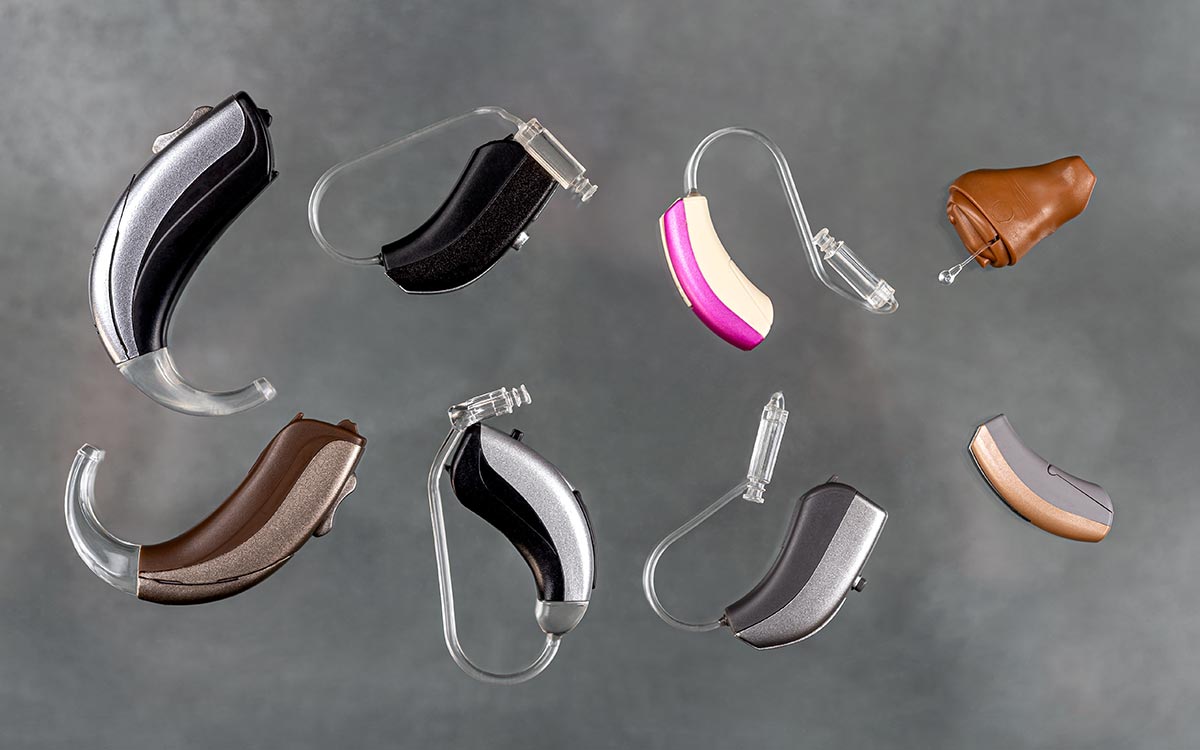
Choosing an instrument can feel overwhelming, especially when today’s units come in so many styles, sizes, and technology levels. However, an expert hearing solution exists for every person’s unique needs and daily habits. The key is merely choosing the one that fits you best.
By learning about the differences between various hearing aid models, you can move forward with greater confidence and knowledge. We are planning to analyze the primary styles available today to help you understand what sets each option apart.
In-the-Canal (ITC) Hearing Aids
The Meaning:
These hearing aids are placed partially inside the canal, making them visible only slightly from the outside.
Key Primary Features:
- Offers an improved profile than bulkier behind-the-ear units
- Specifically contoured to the wearer’s ear for a better fit
- An effective choice for those with moderate hearing needs
These devices are commonly recommended for beginners due to their effective mix of subtle design and user-friendly functions.
Ultra-Discreet IIC Devices
How they work:
These are the tiniest custom-made units on the market today. They are placed deep within the canal to remain hidden from view.
Why people pick them:
- Offers the most understated look of any hearing aid style
- Provides realistic sound because of where the device sits
- So light and small that users frequently forget they are wearing them
Because of their tiny size, IIC devices typically work best for mild to moderate hearing loss and for those who prefer an almost invisible option.
Full and Partial ITE Options
What they represent:
ITE devices are constructed to stay in the outer ear area, offering two different shell sizes based on your anatomy. These are custom-fabricated for an exact fit based on your ear’s anatomy.
Value Offering:
- Increased size allows for more capabilities and longer battery life
- Provides a more manageable process for those who struggle with tiny accessories
- Suitable for mild to severe hearing loss
ITE models are frequently selected by people who want an uncomplicated, all-in-one design without behind-the-ear components.
Exploring BTE Styles
Summary:
BTE hearing aids sit comfortably behind the ear. Audio travels through a specialized tubing or custom-fit mold into the ear opening.
Reasons for Choosing:
- Regarded as one of the most reliable and sturdy designs available
- Work for nearly all degrees of hearing loss
- Provide space for advanced features and rechargeable batteries
If you need a sturdy hearing aid that is simple to operate and offers high-power output, the BTE style is ideal.
Modern RIC (Receiver-in-Canal) Models
What they represent:
RIC hearing aids appear similar to BTE models, but the speaker (receiver) sits inside the ear canal rather than inside the device behind the ear.
Key Benefits:
- Provides an exceptionally clear and lifelike listening experience
- Users appreciate the slim profile and comfortable fit for all-day use
- Flexible enough to address an extensive number of hearing impairments
The combination of style and high-end performance makes RIC models a top choice in the modern market.
Extended-Wear Device Details
Operational Details:
An audiologist inserts these specialized hearing aids deep into the canal, where they stay for multiple weeks.
The Appeal:
- Provides a hassle-free experience with no daily maintenance required
- Sitting deep in the canal makes them completely hidden from view
- Engineering enables them to stay in the ear during all facets of daily life
Extended-wear devices are ideal for those who want a “set it and forget it” approach.
Wireless Smart Connectivity
What they represent:
Auditory aids with wireless connectivity that pair with smartphones, tablets, computers, and sometimes TVs.
Digital Advantages:
- Stream calls, music, and audio directly to the hearing aids
- Provides an unobtrusive way to manage your hearing environment from your mobile screen
- Provides the ultimate in ease for those who use smartphones regularly
Bluetooth features are available across many styles, including RIC, BTE, and some ITC models.
Surgically Implanted Middle-Ear Solutions
Design Overview:
A surgical method that works by vibrating the tiny bones inside the ear to provide amplified audio.
Who they are for:
- An accessible route for patients who are unable to wear standard acoustic devices
- Ideal for users who suffer persistent irritation from standard molds
Candidates for middle-ear implants should undergo an exhaustive evaluation by a hearing specialist.
Selecting Your Ideal Hearing Option
There is no one single “best” hearing aid; rather, there is a best one for you, determined by your medical needs and personal comfort. A hearing care professional can lead you through your choices, answer questions, and help you experience how different devices look and feel.
If you’re prepared to investigate the possibilities, schedule an auditory evaluation today. It is the most significant move you can make toward a more vibrant and confident life.
Sources:
https://www.mayoclinic.org/diseases-conditions/hearing-loss/in-depth/hearing-aids/art-
20044116
https://www.hearinglife.com/hearing-aids/types
https://www.nidcd.nih.gov/health/hearing-aids
