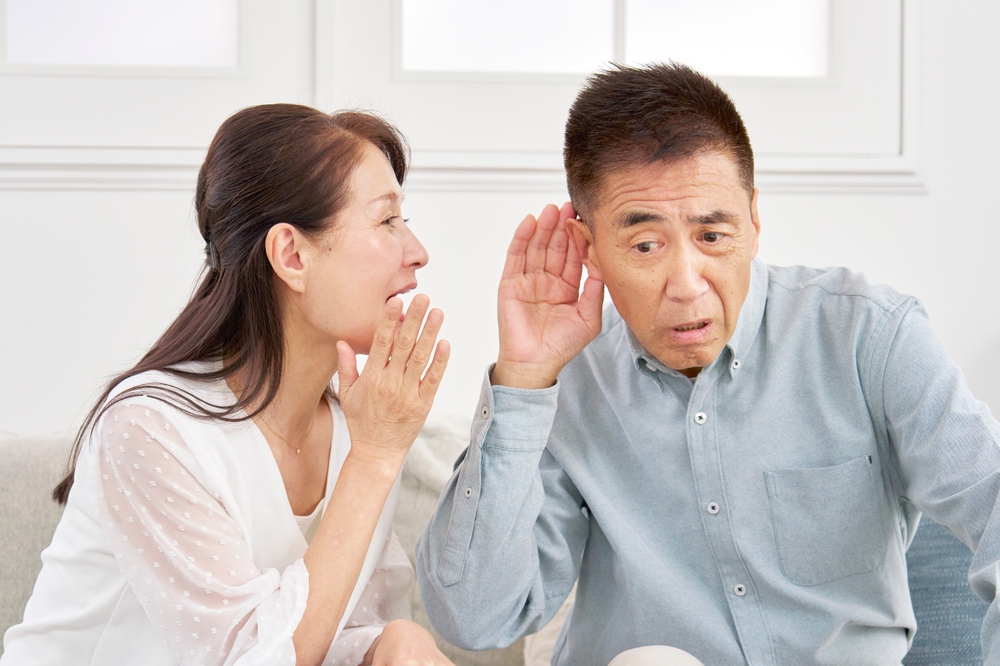
Hearing loss is more common than most of us might realize, but misinformation continues to prevent many people from seeking proper care. Proactive management of hearing loss ensures the best possible outcomes for auditory preservation. Believing common hearing loss myths can delay diagnosis, impact communication, and reduce your overall quality of life.
If you have concerns about your hearing, knowing the truth (and the myths!) can help you make informed decisions about your health and proceed with greater confidence. Let’s take a closer look at seven hearing loss myths that deserve to be clarified, along with the truths that put them in their place.
1. Myth: Only Older Adults Have Hearing Loss
While sensory shifts are frequent in seniors, hearing loss remains a cross-generational health concern. Hearing impairment in younger patients is frequently caused by environmental noise, genetic predisposition, or systemic illness.
Labeling hearing loss as a senior-only problem often causes younger patients to overlook critical early warning signs.
Myth: Hearing Perception Rules Out Impairment
The presence of hearing loss does not always manifest as total profound deafness. Patients with mid-range impairment often perceive environmental noise while losing the ability to decode complex speech. Audiology recognizes a diverse spectrum of impairment levels that fall short of total deafness.
Early symptoms frequently manifest as “cocktail party effect” struggles or a need for constant clarification from speakers. Failing to address these subtle changes can lead to long-term communicative difficulties.
Hearing Impairment: More Than a Social Nuisance
Untreated hearing loss can affect more than just communication. Evidence-based research correlates auditory neglect with social anxiety, mental fatigue, and depressive symptoms.
Seeking early treatment safeguards your social connections and your long-term neurological function.
Do Hearing Aids Damage Your Natural Hearing?
The fear that hearing aids weaken the natural ear is a persistent but medically unfounded myth.
Hearing aids do not damage your ears. Instead, they amplify sounds based on your hearing test results. Consistent use of hearing aids maintains the neural pathways required for clear sound interpretation.
Myth: All Hearing Aids are Bulky and Noticeable
Modern hearing technology has advanced significantly. Today’s devices are smaller and more powerful than ever. Numerous models—such as Invisible-in-the-Canal (IIC) devices—remain completely hidden during daily use.
In addition to their size, modern hearing aids often include beneficial features like background noise reduction, Bluetooth connectivity, and automatic sound adjustments.
Myth: Small Hearing Changes Don’t Warrant Clinical Action
Don’t underestimate “slight” hearing changes; they still disrupt the natural flow of information to the brain. Early treatment helps prevent listening fatigue and reduces the strain placed on the brain during conversations.
Patients who pursue early help experience a much smoother transition to using hearing technology.
7. Myth: Over-the-Counter Solutions Are Always Enough
While OTC options offer simple volume boosts, they cannot address the unique nuances of your ear health. Only a formal assessment can provide the data needed to create a truly effective and personalized treatment plan.
The difference between “generic” and “custom” is measured in both physical comfort and speech understanding.
Taking Control: Overcoming Misinformation for Better Hearing
Any change in hearing can feel scary, which is why many people brush it off and delay seeking care. Relying on misinformation ensures that your auditory challenges will become more difficult to manage. You’ll find that a hearing screening is a comfortable and highly enlightening clinical experience.
If you’ve noticed changes in your hearing (even subtle ones), a professional assessment is an important first step. Seeking help sooner rather than later preserves both your social life and your neurological sharpness.
If you are ready for a professional assessment, our specialists are standing by to assist. Reach out to our care team now to begin your journey toward better hearing.
