Muffled hearing can impact every facet of your life, leaving you feeling disoriented and isolated from the world around you. It is common to assume that muted sound signifies long-term hearing impairment, but the problem is often just a treatable earwax blockage.
Knowing how to identify these differences guarantees you seek the appropriate treatment, whether that is professional wax removal or a clinical hearing test. Try not to worry if your hearing feels abruptly diminished. While only a clinician can confirm the cause, understanding these key indicators of wax vs. auditory decline can provide instant clarity.
How to Identify a Wax Blockage
Earwax (wax) is a normal, protective substance that helps trap dirt and debris and keeps the ear canal healthy. Issues arise when too much wax builds up or turns impacted.
Common indicators of earwax buildup include:
- Gradual or sudden dampened hearing
- A sensation of fullness or blockage in the ear
- Canal irritation or slight pain
- Buzzing in the ear (ringing)
- Hearing that improves temporarily after opening the jaw or chewing
A signature of blockage-based sound fluctuations is imbalance, typically affecting one side more than the other. Fortunately, extracting the obstruction generally clears the symptoms immediately.
Identifying the Markers of Irreversible Auditory Decline
Hearing loss, particularly age-related or trauma-based hearing loss, has a tendency to develop slowly and doesn’t improve when the canal is cleared.
Signs of actual auditory impairment may feature:
- Challenges with speech intelligibility in busy or loud settings
- Constantly asking others to restate themselves
- A tendency to increase sound volume notably to make up for hearing loss
- Trouble hearing high-pitched tones
- A balanced decrease in auditory function in both ears
A vital distinction is that true loss misses the physical “clogged” sensation that accompanies an earwax blockage.
Quick Guide: Cerumen vs. Auditory Decline
While evaluating cerumen impaction vs. hearing loss, a few indicators can help guide you in the right direction:
- Timing: Cerumen blockages often appear abruptly; hearing loss develops slowly
- Permanence: Clogs are a quick fix, while sensorineural loss needs long-term management
- Clues: Fullness suggests a blockage; difficulty with speech clarity points to decline
- Sides: Unilateral muffled sound suggests wax, while both sides point to hearing loss
Why Clinical Intervention is Necessary
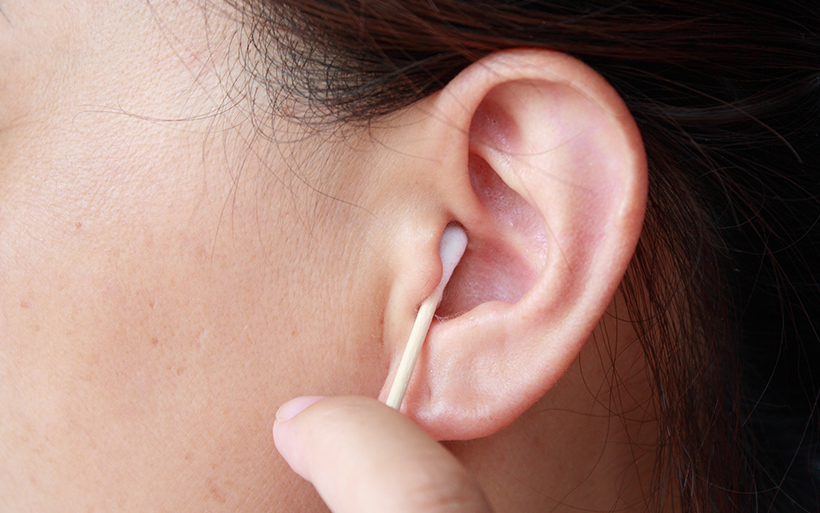
Numerous people make the mistake of attempting to extract a suspected blockage themselves using swabs or home items. Unfortunately, these can shove wax deeper and exacerbate the problem.
According to the NLM, inserting objects into the auditory canal raises the likelihood of impaction and trauma.
On the other hand, presuming a concern is merely wax when it is truly hearing loss can prevent you from getting the help you require to remain connected.
Ways a Professional Evaluation Assists
A brief clinical check-up is the only way to verify if wax is actually the source of your muffled auditory issues.
If wax is present, clinical extraction often clears signs immediately.
Should the auditory canal be clear but auditory struggles persist, a hearing test can evaluate whether hearing loss is present and identify its category and severity.
The NIDCD advises prompt evaluation whenever changes in auditory function conflict with your daily routine.
Determining Earwax Blockage or Auditory Decline?
Muffled auditory input doesn’t always indicate irreversible damage.
It is frequently the case that a basic, resolvable obstruction is the root of the issue.
Your audiology team can help you to find the source of dull hearing so you can move forward with confidence and tranquility.
In the end, an expert exam is the single reliable way to distinguish between a fleeting blockage and a permanent change.
Getting answers early can avert unnecessary worry and guarantee you obtain the right care at the optimal time.
If you’ve noticed a shift in your auditory ability, call our office for a professional assessment immediately.
