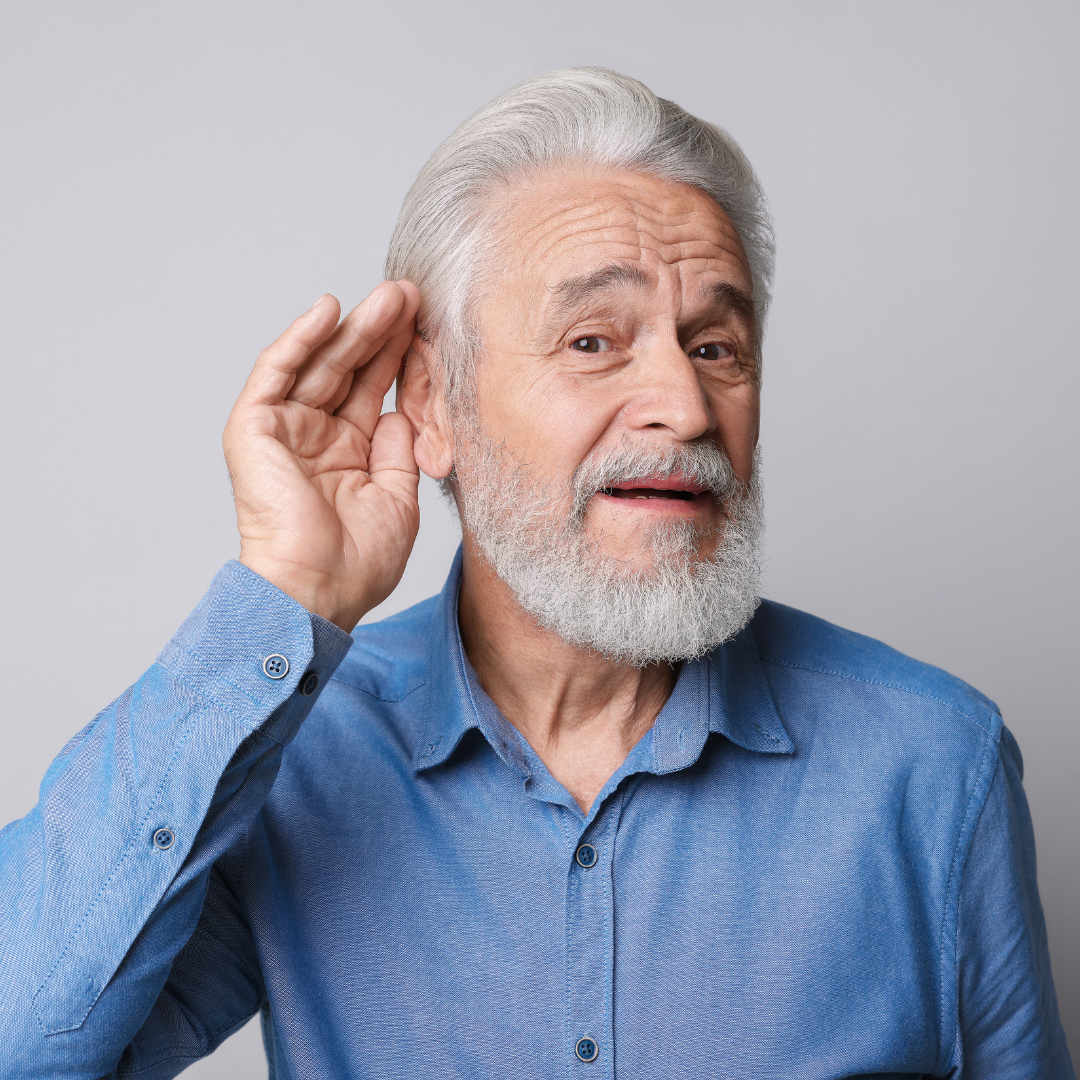
Noticing an immediate hearing loss on one side can be unsettling, leaving affected individuals wondering how to proceed. Our clinical specialists offer urgent hearing evaluations and facilitate rapid medical care when sudden unilateral hearing loss arises. Sudden hearing loss always requires immediate attention from a hearing specialist to explore treatment or hearing rehabilitation when needed.
Understanding Sudden Hearing Loss as a Time-Sensitive Emergency
Yes. Sudden hearing loss in a single ear demands immediate emergency medical care, particularly when symptoms progress within a few hours or days. Clinically termed sudden sensorineural hearing loss or sudden deafness, this condition originates within the delicate inner ear or cochlear nerve pathways. The condition typically develops painlessly, leading many patients to confuse it with sinus congestion, fluid, or a plugged ear canal.
Clinical presentations often involve:
- A rapid decrease in volume or clarity on one side
- Noticing that phone conversations sound faint, muffled, or absent on one side
- An acoustic pop or distinct feeling of canal fullness heralding the auditory change
- The sudden development of unilateral tinnitus, including buzzing, hissing, or roaring sounds
- Dizziness, imbalance, or a spinning sensation
Do not wait for hearing to restore on its own. Contact us, an urgent care clinic, or an ear, nose, and throat specialist for same-day guidance.
The Urgency of Immediate Professional Evaluation for Sudden Deafness
Timely clinical evaluation is critical because therapeutic interventions for sudden sensorineural hearing loss demonstrate the highest success rates when started early. Our clinicians must first identify whether the deficit is conductive—caused by cerumen impaction, middle-ear effusion, or ossicular dysfunction—or sensorineural, involving the cochlea or auditory nerve. While conductive and sensorineural losses can feel virtually identical to the patient, they mandate entirely different clinical therapies.
An ear examination and a diagnostic hearing test can identify the type, pattern, and severity of the loss.
Seek emergency medical intervention right away whenever sudden hearing loss develops with:
- Acute facial nerve weakness, asymmetrical drooping, or numbness
- Inability to formulate words, sudden mental confusion, or a severe, atypical headache
- Unexplained diplopia, syncopal episodes, or severe physical difficulty walking
- Crushing chest pressure or other life-threatening medical signs
Such clinical findings often indicate an urgent vascular or central neurological emergency that cannot wait for an outpatient appointment.
Pathophysiological Causes of Sudden Sensorineural Hearing Loss
For the vast majority of patients with sudden sensorineural hearing loss, the exact etiology remains idiopathic. When diagnostic testing isolates a specific trigger, it generally involves cochlear inflammation, physical trauma, compromised vascular perfusion, autoimmune dysfunction, or neural pathology.
Documented clinical etiologies include:
- Viral cochleitis or secondary bacterial infections
- Mechanical head injury or sudden exposure to high-intensity blast noise
- Diagnosed autoimmune disorders affecting the inner ear sensory systems
- Exposure to prescription ototoxic medications that harm cochlear hair cells
- Cochlear ischemia resulting from vascular occlusion or microcirculatory failure
- Peripheral inner ear pathologies such as classic Ménière’s disease
- Demyelinating neurological diseases like multiple sclerosis
- A benign retrocochlear growth, such as an acoustic neuroma on the auditory nerve
Because the difference cannot be confirmed by symptoms alone, prompt examination and audiologic testing are important.
Clinical Treatment Protocols for Sudden Sensorineural Hearing Loss
Corticosteroids are widely prescribed as the cornerstone medical treatment for idiopathic sudden sensorineural hearing loss. The treatment can be administered systemically via oral tablets or delivered locally through the tympanic membrane to reach inner ear structures directly. Clinical treatment pathways are determined by our specialists based upon presentation timing, loss magnitude, underlying health status, active prescriptions, and risk factors.
Steroids are typically administered within the first two weeks of onset, making it critical to begin medication as early as medically appropriate. Intratympanic steroid injections may also be recommended as salvage treatment when recovery is incomplete. In selected cases, a physician may discuss hyperbaric oxygen therapy combined with steroids.
The Reality of Spontaneous Recovery in Sudden Hearing Loss
Patients with sudden sensorineural hearing loss can sometimes experience spontaneous recovery without clinical intervention. About half of diagnosed individuals regain varying degrees of hearing without treatment, typically over the initial two weeks. Yet, no reliable clinical markers exist at presentation to identify who will recover, how much hearing will be restored, or if recovery will remain stable.
Relying on the chance of spontaneous improvement is never a valid justification for delaying immediate medical care. Treatment becomes less likely to reverse permanent loss when it starts weeks after the change, so waiting may close an important treatment window. Auditory outcomes differ substantially among patients, ranging from full recovery to partial or minimal improvement.
Rehabilitation Options for Treatment-Resistant Sudden Hearing Loss
When medical therapy fails to restore hearing, secondary strategies are determined by residual pure-tone thresholds, word-recognition performance, and diagnostic rule-out testing. We may recommend magnetic resonance imaging (MRI) or an auditory brainstem response test to examine the hearing nerve and nearby structures.
Long-term audiological rehabilitation options include:
- Custom programming of a traditional hearing aid when the ear maintains usable acoustic thresholds
- Utilizing a CROS hearing aid system designed to stream acoustic signals from the impaired ear to the normal-hearing ear
- An implantable bone-conduction hearing processor for patients satisfying audiological criteria
- A cochlear implant for qualifying cases of single-sided deafness
- Dedicated assistive listening technology engineered for challenging workplace, classroom, or group conversations
Engaging in audiologic rehabilitation can alleviate severe listening fatigue, train sound localization, and resolve ongoing communication challenges. Selecting the optimal management path relies upon comprehensive audiometric outcomes, vocational needs, medical profile, and personal priorities.
Request a Same-Day Hearing Evaluation
If your hearing changed suddenly today or during the past several days, request same-day medical direction rather than waiting for a routine consultation. Our clinic will perform comprehensive diagnostic hearing testing, compare thresholds between ears, document onset chronology, and coordinate urgent care with an ENT physician.
Connect with our clinical office right away to arrange an urgent hearing assessment.
